Student-Centered. What is it?
A student-centered classroom is becoming more and more prevalent in the world of education today. But, what is it? A student-centered classroom puts students at the forefront of their education. They take charge of their learning as the teacher steps back into more of a facilitator role (Hansen & Imse, 2016). Students are given opportunities to mold and develop their 21st Century skills.
The typical view of the classroom where the teacher is standing at the front delivering a lesson as students are sitting in desks “attentively” listening is being demolished. Students are now up and moving, collaborating, and using hands-on technology and “stuff” to master the content curriculum while developing the skills it will take to be successful in the workforce of the 21st Century. The role of the students in these classrooms and mine is the most important. They are the leaders and guides of instruction (Peters, 2010).
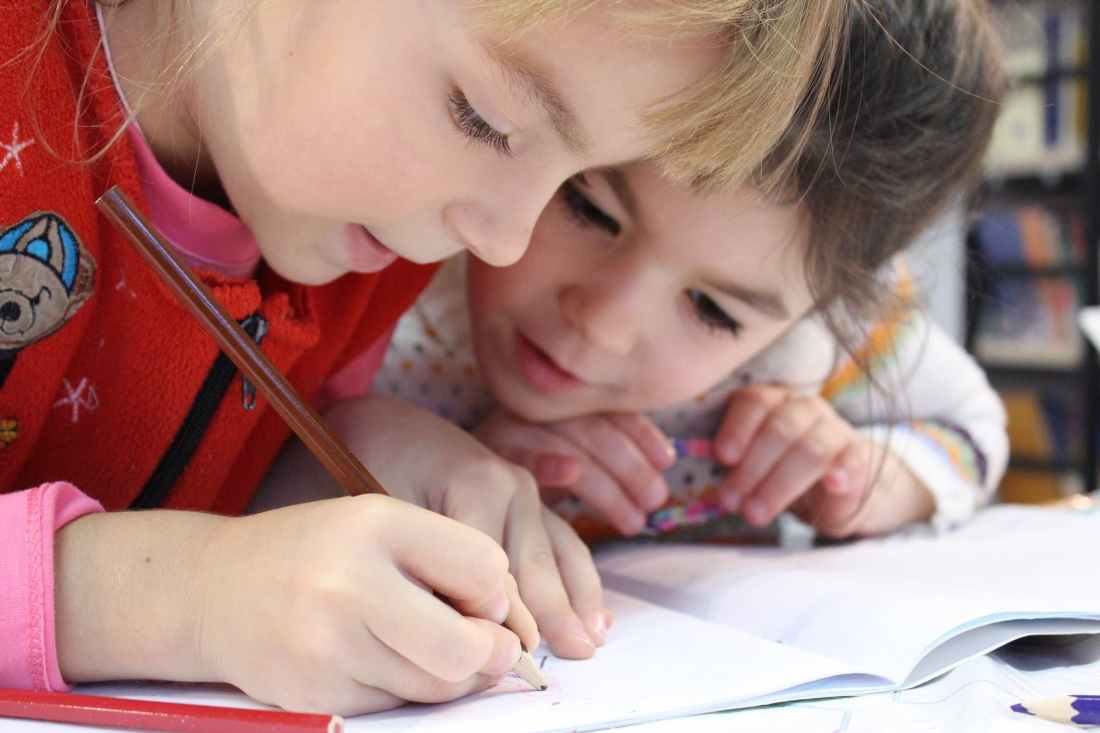
Classroom Design
In classrooms that have made the shift to being student-centered, students are often expected to take responsibility for their education. Students are typically guided through inquiry research and projects to help solidify their learning and create spaces for collaboration, problem-solving, and critical thinking skills (Peters, 2010).
Many concerns over a student-centered classroom are rooted in classroom management. Teachers are fearful of students running the show and things getting chaotic (Garrett, 2018). As I have considered these things, making this leap has been a game changer. When students are able to guide their instruction and make choices for themselves regarding their inquiry, they take more pride in their work and what they are at school to do. It is amazing for me to see how students get excited about using our newly learned ELA skill and technology platform to demonstrate what they know about our science curriculum.
There is not one set way for how to make a student-centered classroom work. It will look different at every grade level, school, and subject. As I make this shift with my second-graders, it takes a lot of scaffolding and front-loading of “training” my students to have the mindset where they can take responsibility for themselves and move to master these skills while still learning the curriculum. The first attempt at this type of instruction will take place during our engineering and design unit in the second quarter. I have spent the first quarter introducing students to platforms, inquiry questions, and finding what interests them. Our first project will look a lot different than our last, as students become more familiar with my expectations and their skills throughout the year. This first project will be guided by “I wonders” about animal and plant habitats. Ultimately, students will have the opportunity to design an animal that will be able to survive in any type of habitat. For more information on this lesson, visit: David Lee: Design Thinking

Sources
Garrett, T. (2008). Student-centered and teacher-centered classroom management: A case
study of three elementary teachers. The Journal of Classroom Interaction, 43(1), 34-47.
Retrieved from proquest.com.
Hansen, D., & Imse, L. A. (2016). Student-centered classrooms. Music Educators Journal,
103(2), 20-26. doi: 10.1177/0027432116671785
Peters, E. E. (2010). Shifting to a student-centered science classroom: An exploration of
teacher and student changes in perceptions and practices.Journal of Science Teacher
Education, 21(3), 329-349. doi: 10.1007/s10972-009-9178-z